
Poaching threatens rare Venus flytraps in southeastern North Carolina
By: George
New Hanover County, NC 11/19/2025 Yes, this is a real and ongoing issue.
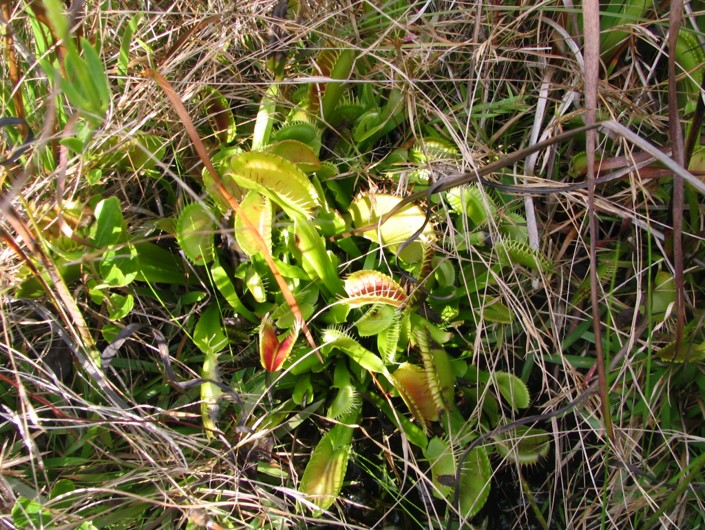
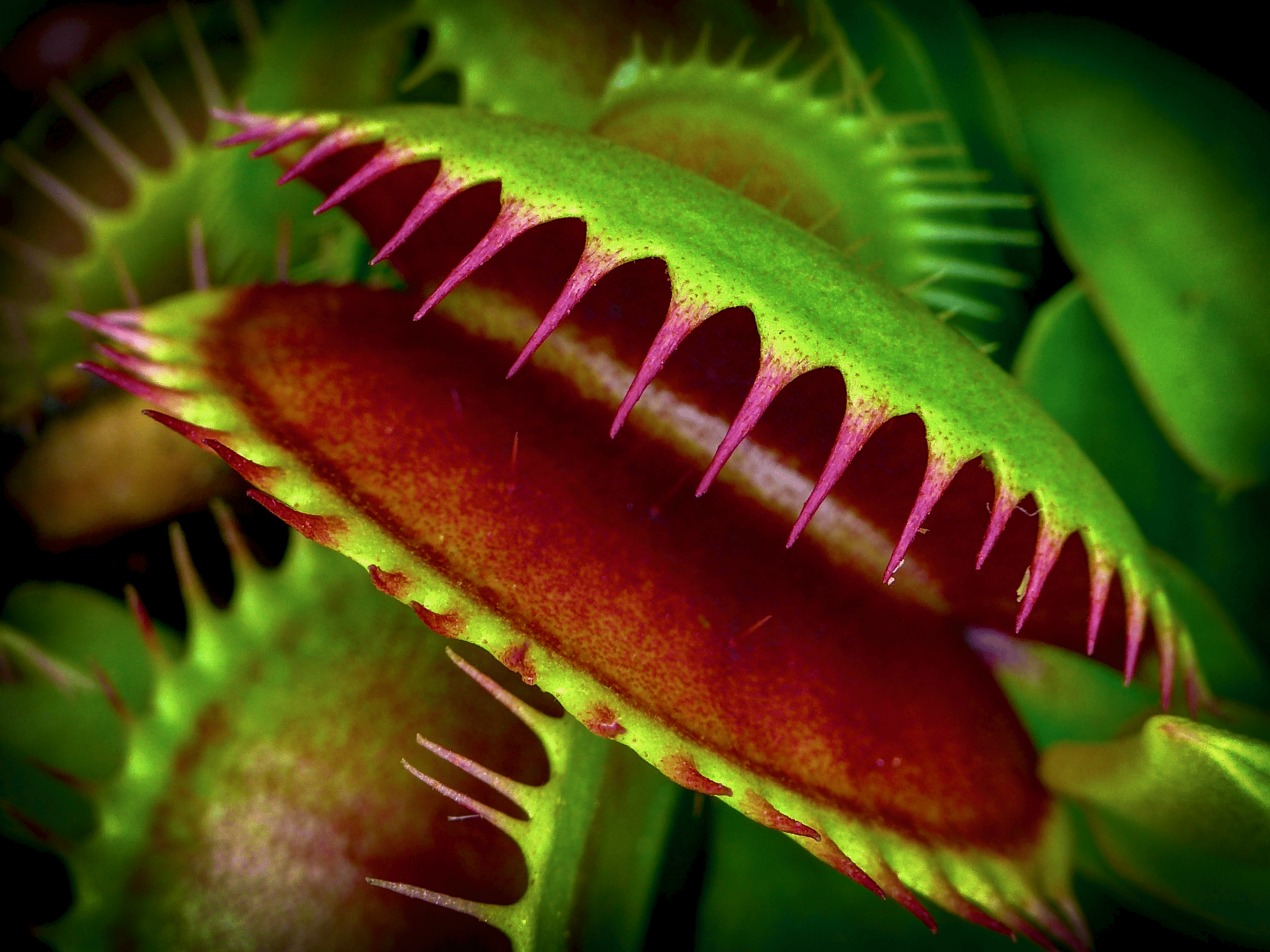
The Venus flytrap (Dionaea muscipula) is one of the world's most iconic carnivorous plants, famous for its snapping traps that catch insects. It grows naturally only in a narrow range of wet, nutrient-poor savannas and bogs within about a 100-mile radius of Wilmington in southeastern North Carolina (with a few small populations in northeastern South Carolina). Nowhere else on Earth does it occur in the wild.
Current threats
As of November 2025, poaching remains a serious threat. Just this week (November 16–17, 2025), local news in North Carolina reported fresh evidence of illegal digging in Boiling Spring Lakes, where volunteers discovered multiple holes left after plants were removed. This prompted an emergency relocation of over 150 Venus flytraps from a site threatened by both poaching and nearby development. Volunteers and conservationists expressed fear that continued poaching, combined with rapid real-estate growth in the region, could push the species toward extinction in the wild.
Poachers dig up the plants (often hundreds at a time) to sell them on the black market or to unsuspecting buyers online and at flea markets, where a single wild plant can fetch $10–$25. Recent arrests include cases in 2024 where individuals were caught with 590–970 plants, and poaching incidents continue despite increased patrols.
Legal protections and conservation status
Since 2014, digging up Venus flytraps without landowner permission or a permit has been a felony in North Carolina, with potential prison time of up to ~2 years per plant in large hauls. The plant is listed as Special Concern–Vulnerable by the state and benefits from habitat protection on preserves managed by The Nature Conservancy, the NC Wildlife Resources Commission, and others. In 2023 the U.S. Fish & Wildlife Service decided not to list it as federally endangered, citing successful state-level protections and management (prescribed burns, land acquisition), but warned that poaching and habitat loss remain the biggest risks.
Wild populations have declined dramatically since the 1950s due to development, fire suppression, and poaching. Estimates of remaining wild plants range from tens of thousands to a few hundred thousand, scattered across increasingly fragmented sites.
What you can do
Never buy Venus flytraps from roadside stands, flea markets, or unverified online sellers — many are poached.Look for plants labeled “tissue-cultured” or “nursery-grown” (almost all reputable sellers now propagate them this way; they’re cheap and identical to wild ones). Report suspected poaching in North Carolina to the Wildlife Resources Commission tip line (1-800-662-7137) or online at ncwildlife.org.
The Venus flytrap is a remarkable evolutionary wonder found nowhere else on the planet — but its future in the wild depends on stopping illegal collection for profit. Conservation efforts are helping, but as the latest incidents show, the threat is far from over.